Healthcare Data Integration

Understanding FHIR HL7 and Its Impact on Healthcare Interoperability
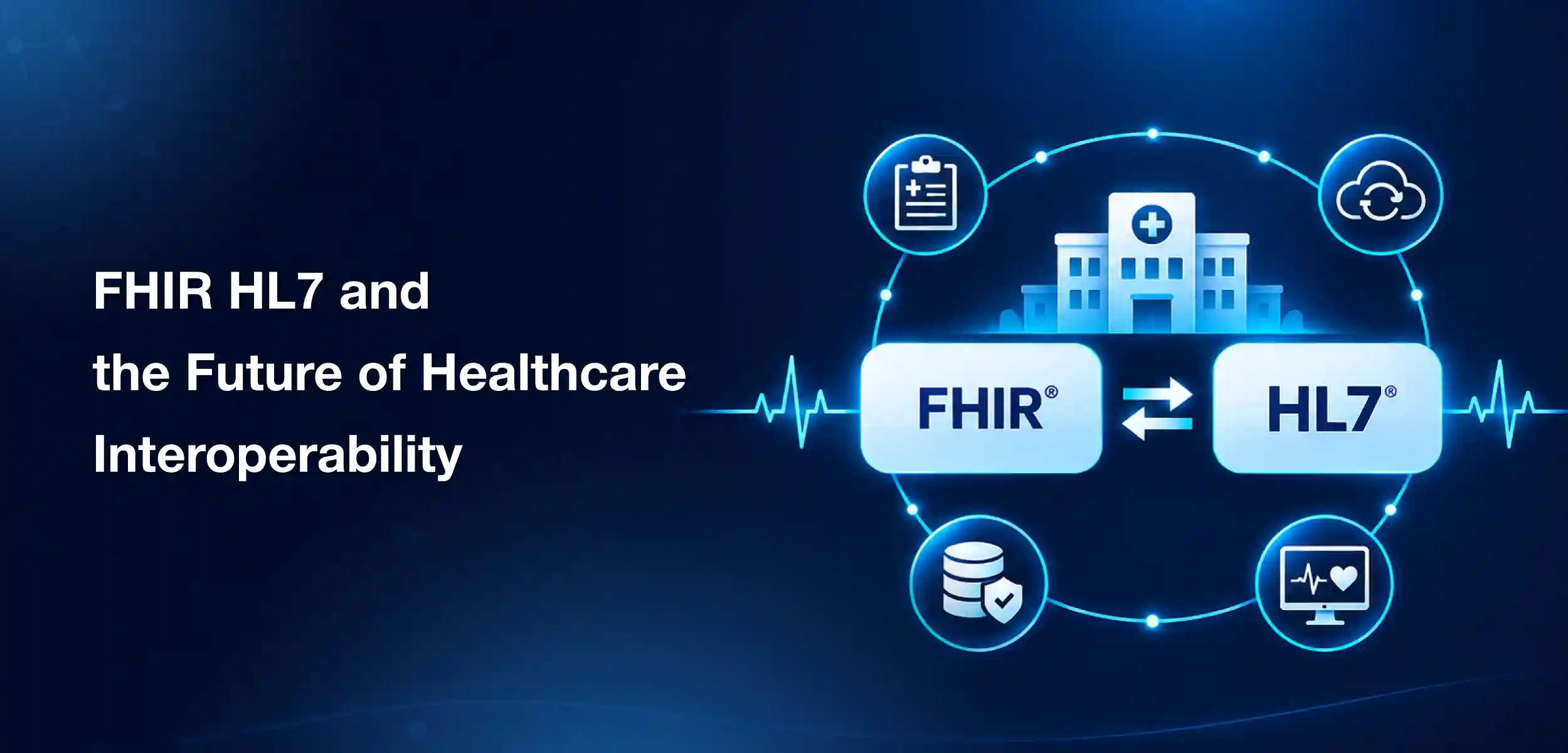
FHIR HL7 interoperability standards banner for healthcare payer and provider executives

Healthcare organizations generate enormous volumes of data every day, but that information often remains distributed across disconnected technology environments.  Electronic health records (EHRs), claims systems, care management platforms, provider networks, CRM applications, laboratories, and pharmacies all generate information that different stakeholders need to access & exchange. When these systems cannot exchange information efficiently, organizations face … Understanding FHIR HL7 and Its Impact on Healthcare Interoperability
Top 7 Healthcare Enterprise Software Trends Shaping 2027

Healthcare enterprise software trends showing AI, interoperability, automation, and connected digital healthcare systems

A healthcare organization can invest in advanced analytics, digital platforms, automation, and AI, yet still struggle to make faster, more informed decisions when these capabilities operate in silos. This disconnect is becoming one of the defining challenges of healthcare technology as organizations move toward more connected, data-driven operations. Over the years, technology investments have often … Top 7 Healthcare Enterprise Software Trends Shaping 2027

Best Healthcare Compliance Software for Enterprise Organizations

Enterprise healthcare compliance platforms comparison showing software options for regulatory management, data governance, security, and compliance operations.

Healthcare compliance becomes increasingly difficult to manage as an organization grows faster than the systems and processes supporting it. Sensitive member, patient, provider, claims, and operational information can move across dozens of systems and applications, from core healthcare platforms and partner systems to APIs, files, and internal tools. Each connection introduces another place where information, … Best Healthcare Compliance Software for Enterprise Organizations

6 Must-Have Capabilities in a Healthcare Insurance Data Integration Platform

Key capabilities of healthcare data integration platforms for payers

In general, insurance operations run on fragmented systems: claims, member, provider, authorization, and billing, each speaking a different data language. When teams rely on generic integration tools, they spend more time reconciling records than using them. That gap shows up in delayed approvals, inconsistent policy views, and avoidable manual checks across workflows. A purpose-built insurance … 6 Must-Have Capabilities in a Healthcare Insurance Data Integration Platform

Healthcare Data Integration: Benefits, Challenges & Best Practices

Healthcare Data Integration

Healthcare data integration connects information from multiple healthcare systems, including EHRs, claims platforms, pharmacy systems, and consumer portals, into a unified data environment. It helps healthcare organizations improve data exchange, reduce operational gaps, and access accurate information for better decision-making.  The market is predicted to grow to USD 43.66 billion by 2034 from USD 23.48 … Healthcare Data Integration: Benefits, Challenges & Best Practices