avizva avizva

Understanding FHIR HL7 and Its Impact on Healthcare Interoperability
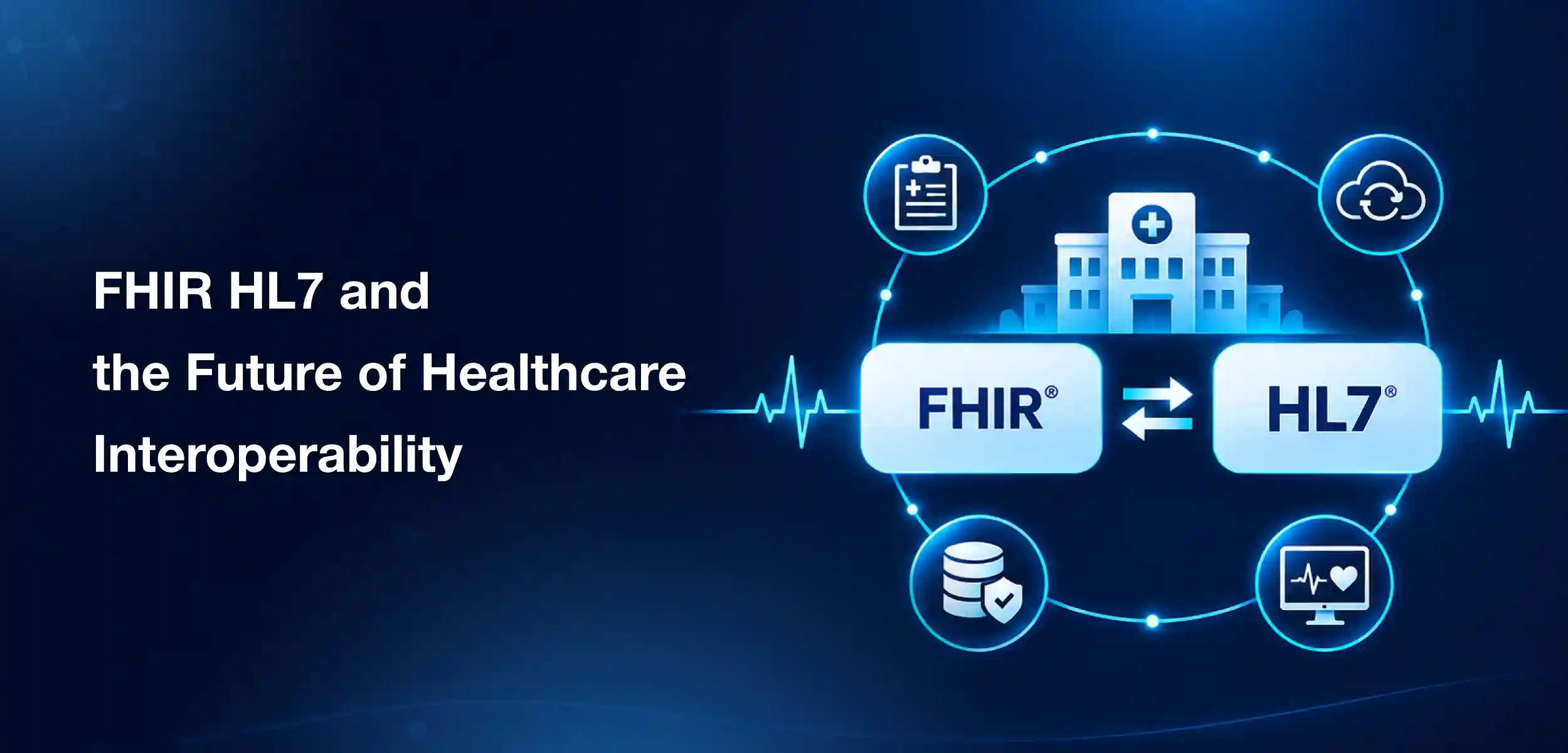
FHIR HL7 interoperability standards banner for healthcare payer and provider executives

Healthcare organizations generate enormous volumes of data every day, but that information often remains distributed across disconnected technology environments.  Electronic health records (EHRs), claims systems, care management platforms, provider networks, CRM applications, laboratories, and pharmacies all generate information that different stakeholders need to access & exchange. When these systems cannot exchange information efficiently, organizations face … Understanding FHIR HL7 and Its Impact on Healthcare Interoperability
Healthcare Payer Analytics And Data Strategies In 2027

Healthcare payer analytics and data strategies in 2027

Healthcare payers have no shortage of data. Every claim, enrollment change, provider interaction, prior authorization, member inquiry, payment, and care event adds to an already complex data ecosystem. The real challenge is turning that information into actionable intelligence that supports better decisions across payer operations.  Claims data may reside in one system while member, provider, … Healthcare Payer Analytics And Data Strategies In 2027

Top 7 Healthcare Enterprise Software Trends Shaping 2027

Healthcare enterprise software trends showing AI, interoperability, automation, and connected digital healthcare systems

A healthcare organization can invest in advanced analytics, digital platforms, automation, and AI, yet still struggle to make faster, more informed decisions when these capabilities operate in silos. This disconnect is becoming one of the defining challenges of healthcare technology as organizations move toward more connected, data-driven operations. Over the years, technology investments have often … Top 7 Healthcare Enterprise Software Trends Shaping 2027

Choosing the Right Healthcare Data Governance Solution: Key Features to Look For

Healthcare data governance features that payers, TPAs, and PBMs should evaluate before selecting a platform.

Most payers, TPAs, and PBMs don’t have a healthcare data governance problem. They have a governance timing problem. Across these healthcare enterprises, governance policies are already in place, data ownership has been established, and investments have been made in different solutions to catalog, manage, and govern information. Yet, despite these foundational efforts, the same data … Choosing the Right Healthcare Data Governance Solution: Key Features to Look For

Best Healthcare Compliance Software for Enterprise Organizations

Enterprise healthcare compliance platforms comparison showing software options for regulatory management, data governance, security, and compliance operations.

Healthcare compliance becomes increasingly difficult to manage as an organization grows faster than the systems and processes supporting it. Sensitive member, patient, provider, claims, and operational information can move across dozens of systems and applications, from core healthcare platforms and partner systems to APIs, files, and internal tools. Each connection introduces another place where information, … Best Healthcare Compliance Software for Enterprise Organizations

Key Barriers to Effective Healthcare Data Exchange and How to Overcome Them

Healthcare Data Exchange Overcoming Barriers

Healthcare organizations are generating more data than ever, yet turning that data into actionable insight remains a significant challenge. Claims flood in, enrollment data arrives in fragments, and member information varies from one system to another. Even when those systems are technically connected, payer teams are often left reconciling discrepancies instead of acting on insights. … Key Barriers to Effective Healthcare Data Exchange and How to Overcome Them

Standards-Based Data Integration (HL7) vs. Custom Point-to-Point Interfaces: What Scales Better?

Standards-based versus point-to-point healthcare integration banner for payer technology decision-makers

Most healthcare integration problems do not start as problems. They often begin with a reasonable decision made probably a few months or years ago, when a payer needed to connect with a provider system, so the technology team builds a custom interface to get data moving quickly. The challenge emerges as the ecosystem expands. Every … Standards-Based Data Integration (HL7) vs. Custom Point-to-Point Interfaces: What Scales Better?

Beyond Automation: How VIZCare Enables Intelligent Orchestration in Enterprise Healthcare

The digital health ecosystem is undergoing a rapid transformation, and enterprise healthcare organizations particularly payers, TPAs, and PBMs are experiencing growing operational strain. Increasing regulatory complexity, rising service expectations, and expanding data ecosystems are exposing the limitations of traditional efficiency strategies. For years, operational optimization in healthcare focused on reducing human effort through workflow automation. … Beyond Automation: How VIZCare Enables Intelligent Orchestration in Enterprise Healthcare

Power of Data Interoperability in Health Insurance: The Edge You Need Now

From Compliance to Care: Data Interoperability in Health Insurance

The current health insurance landscape, which is largely characterized by escalating member demands, tighter regulations, and increased competition, data is no longer just an asset – it’s a competitive differentiator. But data alone isn’t enough. The real value lies in the seamless ability to connect, exchange, and act upon this information across all systems, processes, … Power of Data Interoperability in Health Insurance: The Edge You Need Now

How AVIZVA Simplifies Data Orchestration Software Implementation

Healthcare Data Orchestration Software

Healthcare organizations across the United States process billions of transactions every year. Claims submissions, eligibility checks, prior authorizations, enrollment updates, provider verifications, and payment workflows move continuously across an increasingly complex ecosystem of payers, TPAs, PBMs, providers, and regulatory systems. The challenge is not the lack of data; it is the inability of fragmented systems … How AVIZVA Simplifies Data Orchestration Software Implementation